Establishing a new standard in marine ecosystem management. We combine longitudinal biological research with advanced aquatic maintenance protocols to ensure the longevity of marine life in captive environments.
Biological metrics for 15,000+ species.
Real-time chemical shift analysis protocols.
Life-support system mechanical inspections.
Systematic Aquatic Management
Understanding the nitrogen cycle and the delicate balance of Ammonia, Nitrite, and Nitrate. Learn the science of biological filtration and how to maintain a stable pH environment for delicate reef dwellers.
Developing a rotation of frozen, live, and high-protein pellet foods. We explore target-feeding techniques for timid species and the importance of sea-veggies for herbivorous specimens.
Simulating natural reef flow with variable wave makers and creating territory hierarchies. Proper aquascaping is not just aesthetic—it is vital for stress reduction and physical health.
Setting up a marine aquarium is a process of biological engineering. It begins with selecting the correct housing—glass or acrylic—and moves quickly into the installation of a life-support system that can process organic waste faster than it can accumulate.
Our methodology focuses on the "Sump" system, where specialized equipment like Protein Skimmers and Media Reactors live, keeping the display tank pristine and high in dissolved oxygen. We emphasize redundant heating and automated top-off systems to prevent the instability that causes most aquarium failures.
Selection of base dimensions and glass-clear specifications.
Mechanical, Chemical, and Biological purification cycles.
Full-spectrum LED programming and surface agitation.
Prevention is the ultimate treatment. Our monitoring protocols identify physiological stress before it manifests as disease.
Precision heating and chilling protocols to maintain a constant 78°F metabolism.
Monitoring alkalinity and CO2 saturation to prevent sudden acidotic shocks.
Regular media replacement schedules for GAC and GFO to strip organic waste.
Active visual screening for Cryptocaryon and Brookynella viral strains.
2024 Research Catalog
Observing behavioral changes for 5 minutes daily can prevent 90% of livestock losses.
The safe way to remove algae without scratching acrylic or glass surfaces.
Why the "Cycle" is the most important 30 days of your aquarium's life.
Receive our weekly bulletin on aquatic health research, emerging species profiles, and filtration breakthroughs.
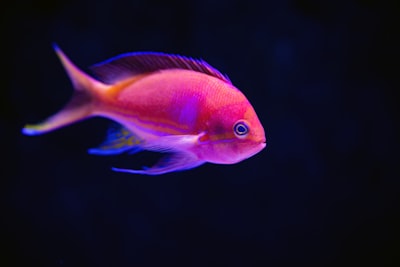
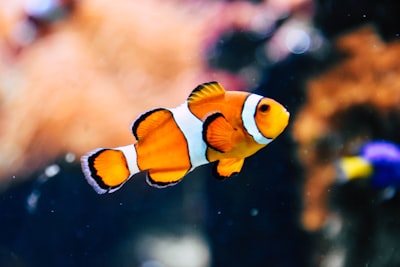
Maintaining a marine specimen in a captive environment requires an understanding of their natural ecological niche. Unlike freshwater species, marine fish have evolved in a highly stable environment with constant salinity and temperature parameters. In captivity, any deviation from these norms triggers a stress response that elevates cortisol levels and suppresses the immune system.
Our "Biological First" approach focuses on zero-fluctuation management. This involves high-precision automation for salinity compensation and multi-stage biological filtration to mimic the cleansing power of the open ocean.
Marine fish are extremely sensitive to variations in water chemistry. In the wild, ocean systems maintain remarkable stability in pH, salinity, and dissolved oxygen levels. In captivity, these parameters must be carefully monitored and controlled using advanced filtration, protein skimmers, and regular water testing.
Even minor fluctuations in ammonia, nitrites, or nitrates can lead to long-term physiological stress. Maintaining optimal water chemistry ensures proper gill function, efficient oxygen exchange, and stable metabolic activity within the specimen.
Habitat design plays a critical role in the psychological well-being of marine fish. Replicating natural reef structures provides shelter, feeding zones, and territorial boundaries that reduce aggressive behavior. Carefully arranged live rock formations allow species to establish natural hiding spaces and swimming paths.
Modern aquascaping techniques combine biological filtration with aesthetic reef design, allowing aquariums to function as both ecological microhabitats and visually compelling marine landscapes.
Preventative care is the cornerstone of marine specimen health. Quarantine systems allow newly introduced fish to be observed before entering the primary environment, reducing the risk of parasitic or bacterial outbreaks. Common marine conditions such as ich and velvet can spread rapidly if early detection protocols are not followed.
Maintaining a stable environment, providing nutrient-rich diets, and minimizing stress are the most effective strategies for strengthening immune responses and preventing disease within closed marine ecosystems.
Just as terrestrial animals benefit from environmental enrichment, marine fish also require stimulation within their habitat. Variable water flow patterns, reef structures, and strategic feeding schedules encourage natural behaviors such as hunting, grazing, and exploration.
Enrichment practices reduce stress, improve coloration, and promote overall vitality. By designing environments that encourage instinctive behavior, caretakers can replicate a more authentic marine ecosystem within captivity.
Whether you're planning your next beach escape or need help with a reservation, our travel specialists are ready to assist you.
support@seabeachview.com
SeaBeachView Travel Group
Oceanfront Avenue 210
Miami, Florida, USA
Monday – Friday
9:00 AM – 6:00 PM
The SeasFishCare Research Group is dedicated to the study of aquatic biodiversity and the development of sustainable aquaculture techniques. We collaborate with international marine biologists to track the genetic health of captive-bred specimens compared to their wild counterparts.
Current research initiatives include the "Resilient Reef" project, which identifies coral-symbiosis markers that can be simulated in artificial environments to increase species longevity.
Studying the effects of lipid-enriched diets on the color vibrancy and metabolic rates of ornamental marine species.
Mapping the impact of ocean acidification on micro-crustacean populations and their subsequent impact on apex marine predators.
Developing low-energy, high-output LED arrays that perfectly mimic the PAR requirements of deep-reef zones.